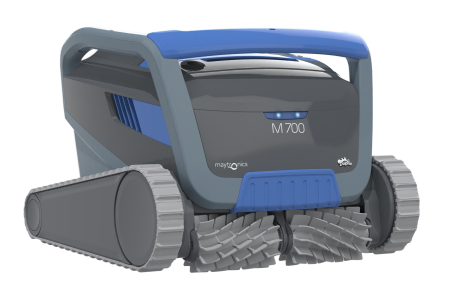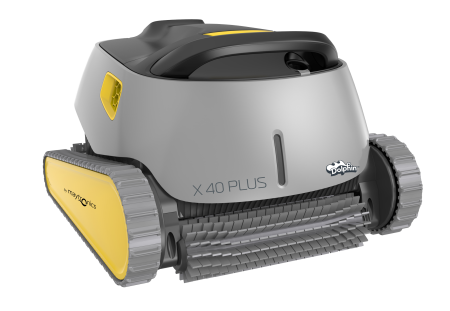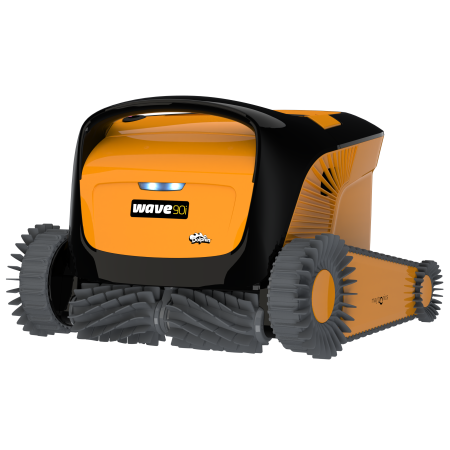
Match the robot to the longest run
Every model has a maximum pool length it is designed for. Measure the longest straight run of your pool, then add allowance for the cable to reach from the power point. If a robot is under-specified, it will keep re-covering the shallow end and leave the far wall untouched.
Cycle time and scanning
Bigger pools need longer cycles or smarter scanning. Upper-tier models map the pool and plan a path instead of bouncing randomly, which makes a real difference to how much of a 12 metre pool actually gets cleaned in one run.
- Look for selectable cycle modes (floor only, floor plus walls, waterline)
- Scanning or mapping navigation beats random patterning on long pools
- Weekly scheduling keeps the load down between cycles
Filter capacity is the hidden limit
A full filter stops pick-up long before the cycle ends. On large pools with trees nearby, choose the biggest basket you can and expect to rinse it after every run during leaf season.
When to look at a commercial model
Lap pools, school pools, resorts and body-corporate pools usually justify a commercial robot. They are built for long daily duty cycles rather than a weekly domestic run, and they can be run from a caddy.
Frequently asked questions
- What counts as a large pool?
- As a rough guide, anything over about 10 metres long, or any pool with a deep end past 2 metres, should be treated as large when you compare models.
- Do I need a caddy?
- For heavier models, yes — a caddy makes moving and storing the robot far easier, and it keeps the power supply out of the weather.